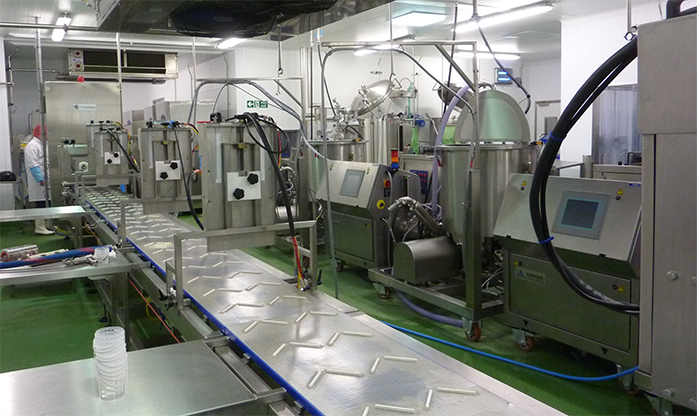
The food and beverage industry is a complex and dynamic sector, facing a myriad of challenges that impact the design and operation of food factories. From evolving consumer preferences to stringent regulations, these challenges demand innovative and adaptable solutions. This article delves into the key challenges confronting the industry and explores how effective food factory design can mitigate these issues.
The Evolving Landscape of the Food Industry
The food industry is undergoing a period of rapid transformation, driven by several key factors:
- Changing Consumer Preferences: Consumers are increasingly demanding healthier, more sustainable, and convenient food options. This shift necessitates food factories to adapt their production processes and product offerings to meet these evolving tastes.
- Globalisation: The globalised food market exposes businesses to increased competition and complex supply chains. Food factories must be designed to handle diverse ingredients and products while maintaining efficiency and quality.
- Technological Advancements: Automation, robotics, and digital technologies are reshaping the food production landscape. Food factories must embrace these advancements to improve productivity, reduce costs, and enhance food safety.
- Sustainability: Consumers and regulators are placing a growing emphasis on sustainability. Food factories must adopt environmentally friendly practices to reduce their carbon footprint and conserve resources.
- Regulatory Compliance: The food industry is subject to a complex web of regulations, including food safety, hygiene, and labelling requirements. Adherence to these regulations is essential for maintaining consumer trust and avoiding costly penalties.
Overcoming Challenges Through Effective Food Factory Design
Addressing these challenges requires a strategic approach to food factory design. Here are some key considerations:
- Flexibility and Adaptability: Food factories must be designed to accommodate changing product lines and production volumes. Flexible layouts and modular equipment can help businesses adapt to evolving market demands.
- Energy Efficiency: Incorporating energy-efficient technologies and practices into food factory design can significantly reduce operating costs and environmental impact.
- Hygiene and Food Safety: Prioritising hygiene and food safety is paramount. Effective food factory design includes features such as proper ventilation, sanitation facilities, and controlled environments to minimise contamination risks.
- Supply Chain Integration: Efficient supply chain management is crucial for food factories. The design should facilitate smooth inbound and outbound logistics, reducing lead times and minimising waste.
- Talent and Workforce: Attracting and retaining skilled workers is a challenge for the food industry. Food factory design should consider the needs of employees, providing safe, ergonomic, and comfortable working conditions.
Arctica: A Partner in Overcoming Challenges
Arctica, with its extensive experience in the food industry, understands the complexities faced by food manufacturers. Their team of experts can help you navigate these challenges by providing tailored design solutions that address your specific needs.
By partnering with Arctica, you can benefit from:
- In-depth industry knowledge and expertise
- Innovative design concepts
- Cost-effective solutions
- Compliance with regulations
- A focus on sustainability