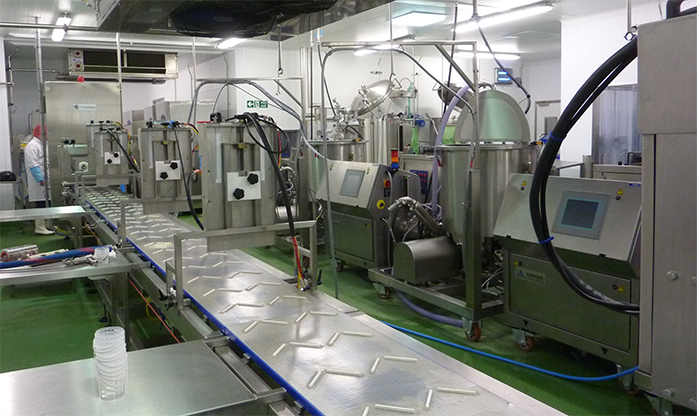
Building and operating a food factory in the UK isn’t just about efficiency and output, it’s about compliance. Every layout, wall finish, airflow system and drainage point plays a role in meeting strict food safety and hygiene standards.
At Arctica, compliance isn’t an afterthought. It’s the foundation of every design. From the earliest feasibility discussions to final commissioning, our work ensures that facilities not only meet but exceed the legal and operational requirements that govern the UK food industry.
Understanding Food Factory Compliance
Compliance in the food sector is a complex ecosystem of legislation, standards and industry best practice. It covers hygiene, safety, environmental impact and traceability, all designed to protect consumers and support product integrity.
In the UK, food factory design and operation are guided by several core frameworks:
-
Food Safety Act 1990 – The primary legislation governing the safety and suitability of food for human consumption.
-
Food Hygiene Regulations 2013 – Based on EU Regulation (EC) No 852/2004, setting hygiene requirements for food premises and processes.
-
BRCGS Global Standard for Food Safety – A globally recognised benchmark used by retailers and manufacturers to assess supplier compliance.
-
HACCP (Hazard Analysis and Critical Control Points) – A systematic approach to identifying and controlling potential hazards.
-
Health and Safety Executive (HSE) – UK body enforcing workplace safety standards, including those relevant to food manufacturing.
Together, these form the framework that every food factory must follow, and they heavily influence design decisions from layout to materials.
Designing for Hygiene and Safety
The single most important element of food factory compliance is hygienic design. The facility must physically support food safety through its structure and layout.
Arctica’s designs follow the principle of “hygiene by design”, where contamination prevention is built into every detail. That includes:
-
Zoning: Clear segregation between high-care, low-care and non-production areas to prevent cross-contamination.
-
Airflow Management: Maintaining correct air pressures between zones to control particle and microbial movement.
-
Drainage and Waste Systems: Hygienic, self-draining designs that prevent backflow and pooling.
-
Material Selection: Durable, easy-to-clean finishes that resist corrosion and bacterial growth.
-
Personnel Flow: Controlled access points, changing areas and hygiene stations designed for logical, safe movement.
A compliant factory doesn’t just meet inspection criteria, it supports daily hygiene routines, efficient cleaning and long-term durability.
How Compliance Shapes Factory Layout
Regulatory requirements directly influence how a food facility is planned and organised. For example:
-
BRCGS standards require physical segregation between raw and ready-to-eat zones.
-
HSE guidelines govern working space, access routes and emergency exits.
-
Environmental regulations impact waste handling and energy systems.
Arctica’s integrated design approach ensures these considerations are not added later but developed from day one. Each layout begins with a zoning plan that defines hygiene levels, utilities, access control and cleaning procedures. This clarity helps clients avoid expensive redesigns and retrofit work later in the project.
HACCP as a Design Tool
Most food manufacturers are familiar with HACCP as an operational framework, but few realise its value in the design phase. Each critical control point in the process, temperature, storage, handling or packaging, has a physical design implication.
By mapping HACCP principles into early design, Arctica helps clients build facilities that make compliance intuitive. For example, separating allergen-handling areas, integrating temperature monitoring systems, or designing clear workflows that prevent raw and cooked materials from crossing paths.
This proactive approach not only supports compliance but also makes day-to-day operations simpler and safer for staff.
Energy, Environment and Sustainability Regulations
Modern compliance goes beyond hygiene. Increasingly, food manufacturers must also meet sustainability and environmental performance targets.
Arctica’s designs integrate compliance with:
-
Energy Performance Certificates (EPCs) for industrial buildings.
-
Building Regulations Part L (conservation of fuel and power).
-
F-Gas regulations for refrigeration systems.
-
Environmental Permitting Regulations for waste and emissions management.
Meeting these requirements early reduces future risk and supports long-term cost savings. Sustainable design also strengthens corporate responsibility credentials — an important factor in winning contracts and attracting retailers.
Navigating the BRCGS Audit Process
For many food manufacturers, BRCGS certification is the defining measure of compliance. Achieving a top-grade audit requires meticulous preparation — both operationally and architecturally.
Arctica supports clients through every stage of the audit journey by ensuring facilities are built with certification in mind. We pay close attention to details like:
-
Seamless wall-to-floor junctions for easy cleaning.
-
Proper segregation between open and closed product areas.
-
Logical storage of chemicals and cleaning equipment.
-
Adequate lighting and ventilation to meet hygiene requirements.
Because these elements are embedded in the design, our clients start from a position of strength during audits, often achieving high grades from the very first inspection.
Collaboration with Regulatory Bodies
Compliance isn’t a one-off checklist. It’s an ongoing dialogue between designers, clients and regulators. Arctica regularly collaborates with Environmental Health Officers (EHOs), fire authorities and local planning departments to ensure designs meet or exceed expectations.
By managing communication and documentation on behalf of clients, we help streamline the approval process and avoid delays. Early collaboration with regulatory bodies also builds trust and transparency, ensuring a smoother path to certification.
Training and Ongoing Compliance
A compliant factory must also remain compliant throughout its lifespan. Arctica encourages clients to view training, maintenance and documentation as part of the design ecosystem.
We often provide guidance on how to maintain hygienic infrastructure, schedule environmental testing and manage updates as regulations evolve. The goal is to give clients not just a compliant building, but the knowledge and confidence to sustain compliance long-term.
Why Compliance Adds Business Value
Compliance isn’t simply about avoiding penalties. It builds brand trust, strengthens supplier relationships and improves overall efficiency. A factory designed for compliance is easier to clean, safer to operate and more adaptable to future audits.
By integrating regulatory and operational expertise into every project, Arctica helps clients turn compliance from a cost centre into a competitive advantage.
Conclusion
Compliance is the backbone of food manufacturing. It protects consumers, supports quality and ensures confidence from regulators and customers alike.
At Arctica, we design and deliver food factories that embody these principles. Our integrated team of designers, engineers and cost consultants ensures every project meets the highest UK and international standards — from hygiene zoning to environmental performance.
When compliance is built in from the start, efficiency, safety and reputation follow naturally.